Related Recommendations
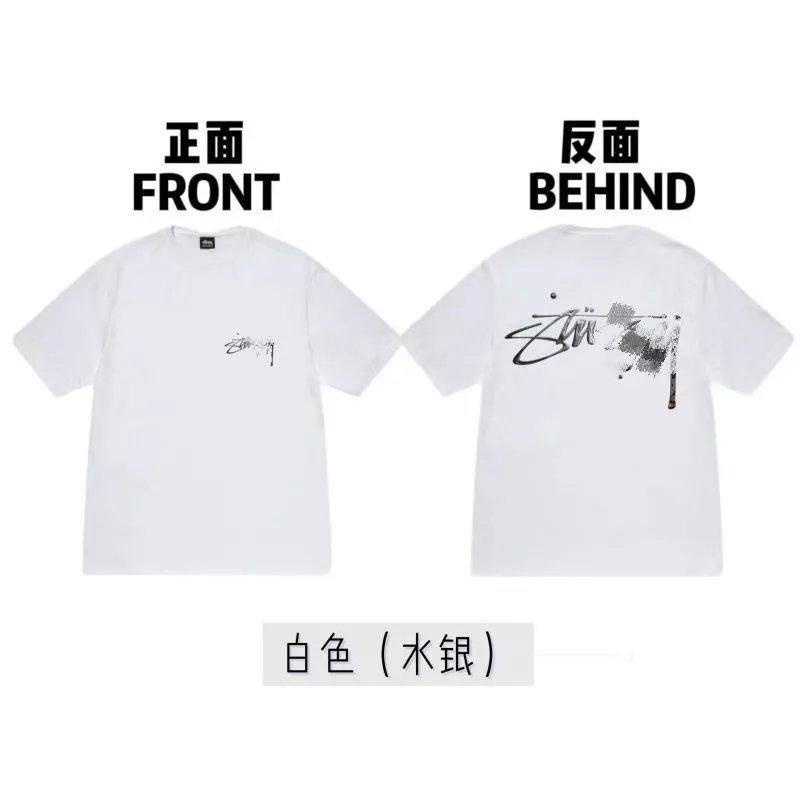

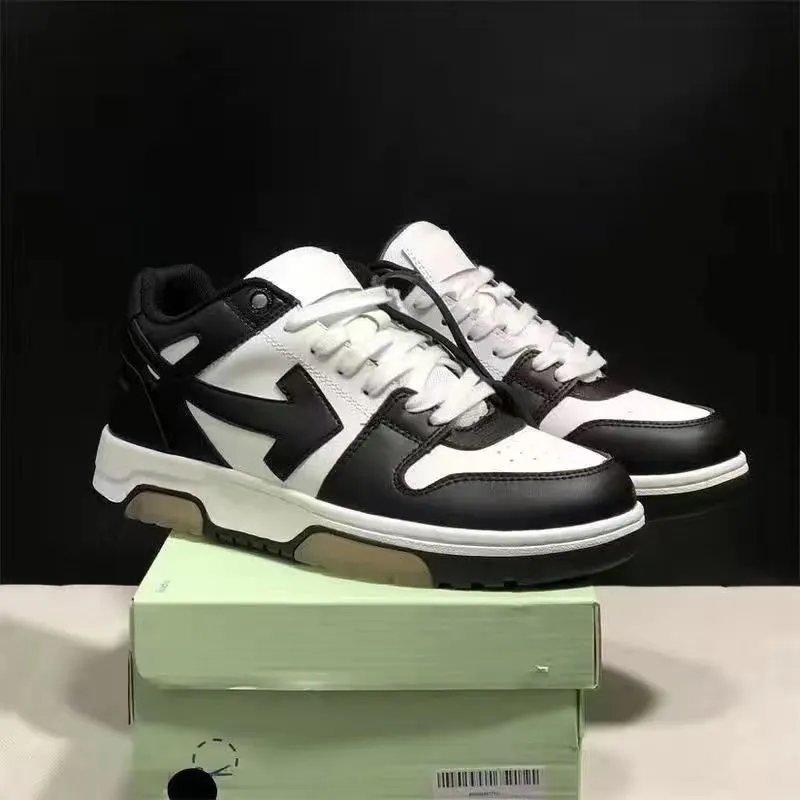
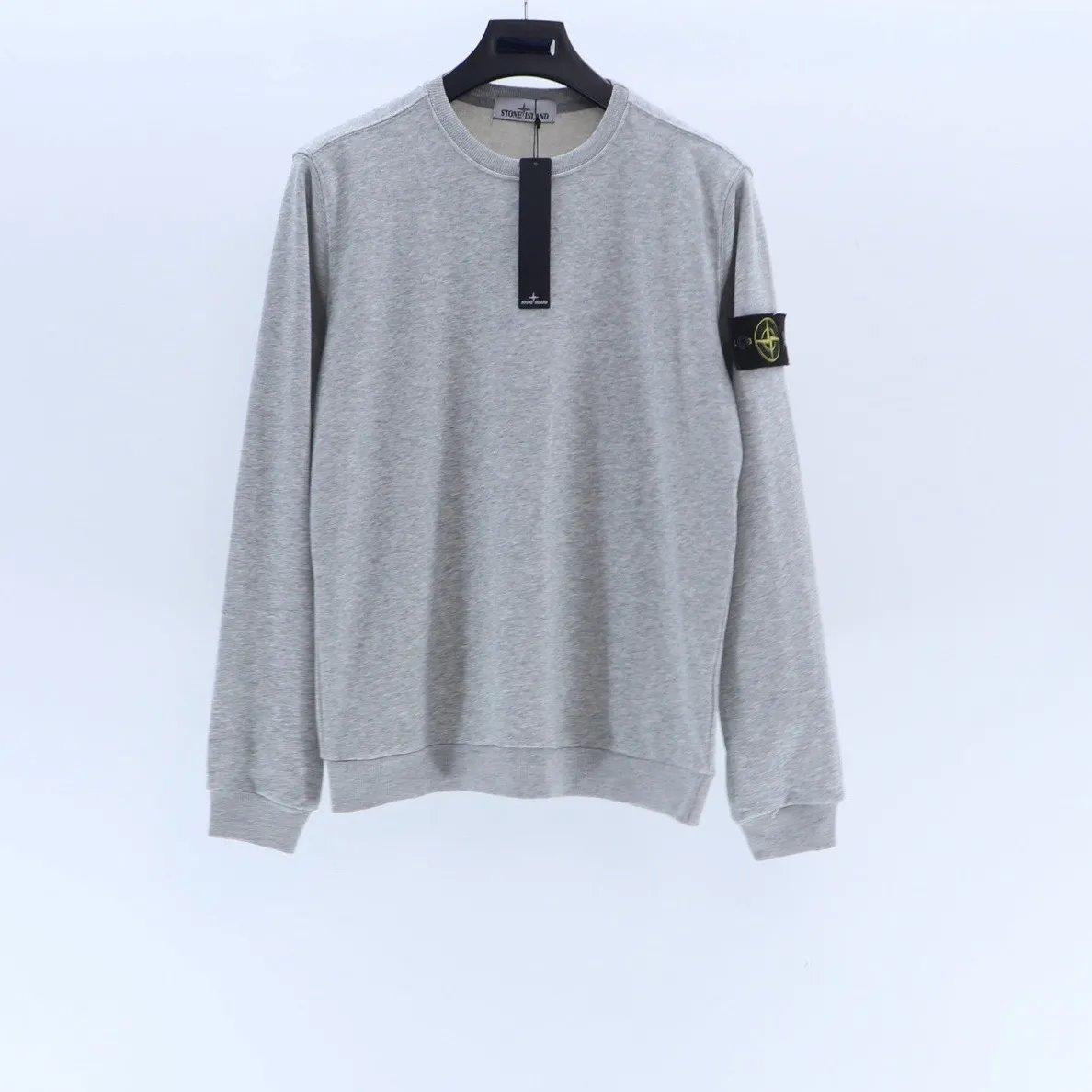
If you’ve ever typed “what is cheaper to buy in China” into a search bar, you’re not alone. Thousands of cross-border e-commerce sellers, Shopify store owners, and Amazon FBA entrepreneurs ask this question every day. The answer, however, isn’t as simple as “everything.” In fact, sourcing the wrong products from China can eat into your margins, cause quality headaches, and hurt your brand reputation. But get it right, and you unlock a world of cost advantages that can transform your business. In this comprehensive guide, I’ll break down exactly what is still cheaper to buy in China in 2025—and what you should buy locally instead.
Why China Still Wins on Price (But Not Everything)
Before diving into specifics, let’s address the elephant in the room: global supply chains are shifting. Tariffs, rising labor costs in China, and the rise of manufacturing in Vietnam, India, and Mexico have changed the game. Yet, China remains the world’s factory for a reason. It has unmatched infrastructure, dense supplier networks, and economies of scale that smaller nations can’t replicate overnight.
So, what is cheaper to buy in China today? The short answer: products that are labor-intensive, have standardized components, or require specialized machinery that China has already mastered. Think electronics, textiles, and niche consumer goods. Conversely, bulky, low-margin, or tariff-heavy items are often better sourced locally or from closer partners.
Pro Tip: When asking “what is cheaper to buy in China,” always factor in shipping weight, customs duties, and potential quality control costs. A 50% lower unit cost can vanish if the freight bill doubles.
Top 10 Product Categories Cheaper to Buy in China
Here are the categories where Chinese suppliers consistently offer a 30–70% cost advantage over Western manufacturing or even other Asian hubs. Each section includes practical sourcing tips for e-commerce sellers.
1. Consumer Electronics & Accessories
This is the king of Chinese exports. From smartphone cases and screen protectors to Bluetooth earbuds, power banks, and USB cables, China dominates. Shenzhen’s Huaqiangbei market alone supplies millions of accessories daily.
- Why cheaper? Complete vertical integration—from chip design to injection molding—often within a 10-mile radius.
- Seller tip: Avoid generic unbranded goods. Instead, customize with your logo and minimalist packaging. This boosts perceived value by 30–50% without extra production cost.
- Example: A 10,000mAh power bank that costs $9 to manufacture in China often retails for $29–$39 on Amazon.
2. Apparel & Fashion Accessories
Fast fashion still thrives here. T-shirts, denim, socks, hats, scarves, and even high-end embroidery items are significantly cheaper—often 50–70% less than domestic production. Cities like Guangzhou and Yiwu specialize in bulk knitwear and accessories.
- What to watch: Fabric quality and dye consistency. Always request a pre-production sample.
- Best for: Print-on-demand basics, seasonal fashion, and accessories like hair clips or sunglasses.
- Note: High-end complex garments (e.g., tailored suits) may not be cheaper once you factor in revisions.
3. Home & Kitchen Gadgets
If you browse Amazon’s best-selling kitchen tools, a surprising portion originates from small factories in Zhejiang province. Think silicone spatulas, vegetable choppers, garlic presses, and even smart kitchen scales.
- Cost advantage: 40–60% lower than US or European manufacturing.
- Opportunity: “As seen on TikTok” kitchen hacks often start as Chinese factory prototypes.
- Seller tip: Look for multi-function tools (e.g., a peeler that also cores apples) to justify higher retail prices.
4. Toys & Games
China produces roughly 80% of the world’s toys. From plastic action figures and board games to educational STEM kits, the production cost is incredibly low. The catch? Safety certifications (like ASTM or EN71) can add $500–$2,000 per product line, so amortize this over large volumes.
- Cheaper items: Puzzles, building blocks, fidget toys, and novelty plushies.
- Trend: Licensed toys remain profitable, but require copyright permission. DIY generic toys are safer for beginners.
5. Fitness & Sports Equipment
Resistance bands, yoga mats, jump ropes, weighted hula hoops, and even folding treadmills are manufactured cheaply in China. The reason is the abundance of rubber, plastic, and metal suppliers in Guangdong and Shandong.
- Pricing: A high-quality 10mm yoga mat costs about $3–$5 wholesale versus $20+ retail in the West.
- Watch out for: Strong chemical smells or fading prints. Request SGS or Intertek testing for safety compliance.
6. Pet Supplies
The pet industry is booming, and China has captured a large share of accessories. Collars, leashes, beds, scratching posts, and grooming tools are all cheaper to source here.
- Why it works: Labor-intensive stitching and filling (for beds) make Chinese factories cost-effective.
- Fun fact: Over 60% of pet clothes sold on Etsy and Amazon are sourced from Chinese manufacturers.
- Seller tip: Use recycled or eco-friendly materials to attract environmentally conscious buyers—many Chinese factories now offer this option at only a 10–15% premium.
7. Office & Stationery
Notebooks, planners, sticky notes, pen sets, and desk organizers are incredibly cheap to produce in China due to paper and plastic availability. Yiwu International Trade City is the world’s largest wholesale market for these items.
- Cost example: A leather-look A5 notebook with 200 pages can cost $0.80–$1.50 wholesale. Same quality at a Western printer? $5–$8.
- Strategy: Bundle 3–5 items together to increase order value and shipping efficiency.
8. Auto Accessories & Car Care
Dash cams, phone holders, sun shades, floor mats, tire pressure gauges, and polishing cloths are Chinese specialties. The dash cam market alone has thousands of OEM suppliers in Shenzhen.
- Cheaper than: US or EU suppliers by 40–55% on average.
- Quality note: Testing electronic components is crucial. A returned item due to malfunction can cost you 3x the profit.
9. Beauty & Personal Care Tools
Yes, you read that right—tools, not liquids. Makeup brushes, hair curlers, nail files, electric razors, facial rollers, and LED light therapy masks are all cheaper from China. Cosmetic liquids (shampoo, creams) are often not due to strict import regulations.
- Margin potential: A 10-piece brush set costs $2.50–$4 wholesale; retail price can reach $25–$40 with good branding.
- Trend alert: Red light therapy masks are exploding. Sourcing them from China at $15–$25 allows for a retail price of $79–$129.
10. Niche Seasonal & Party Goods
Halloween decorations, Christmas ornaments, costume props, and party favors. These are low-volume, high-variety items that Chinese factories excel at producing in short runs.
- Why China? Fast tooling changes and flexible manufacturing allow for unique designs.
- Seller tip: Order early (June for Christmas items) to avoid peak shipping surcharges.
What NOT to Buy from China (Even If It’s Cheap)
Knowing what is