Related Recommendations
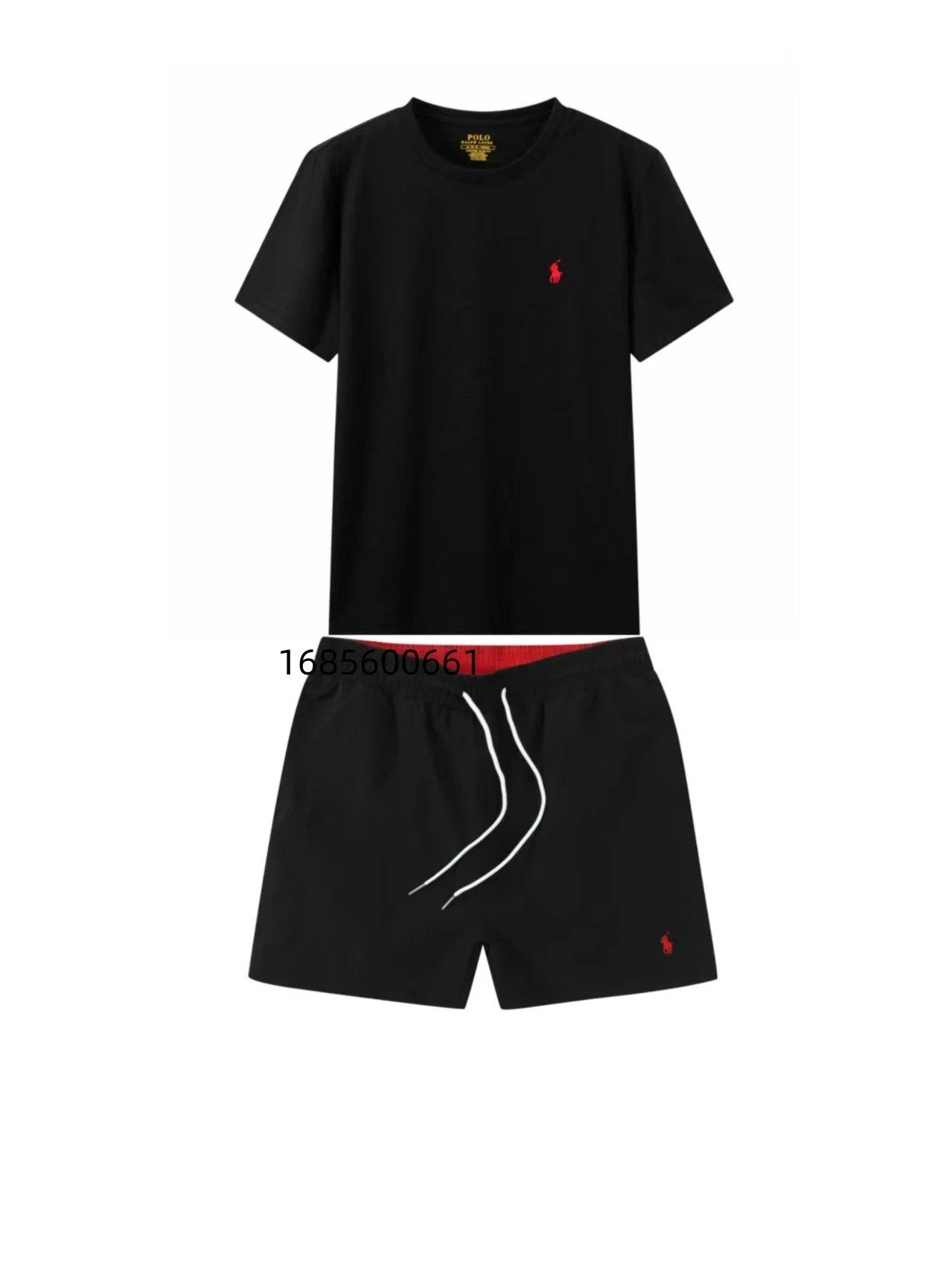
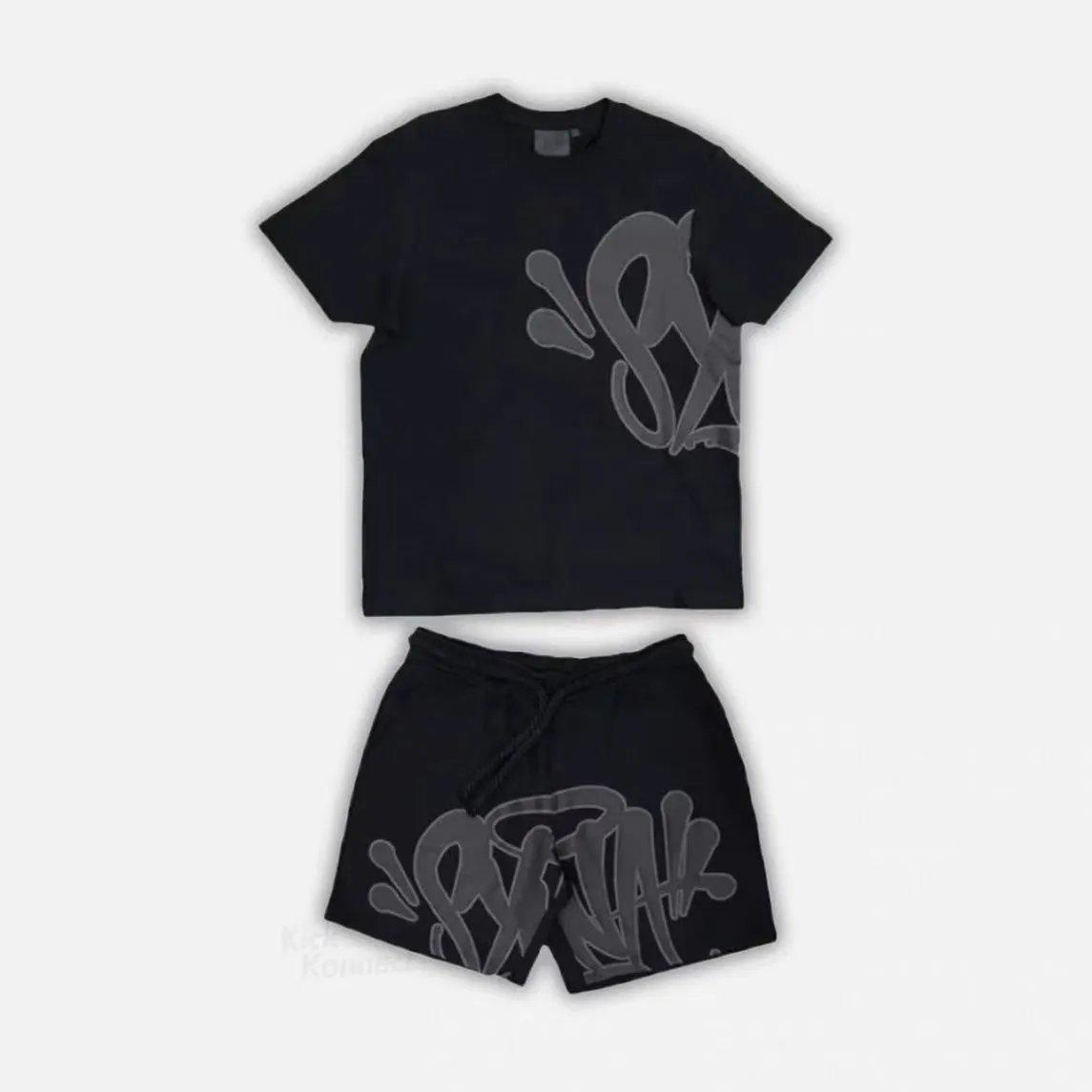
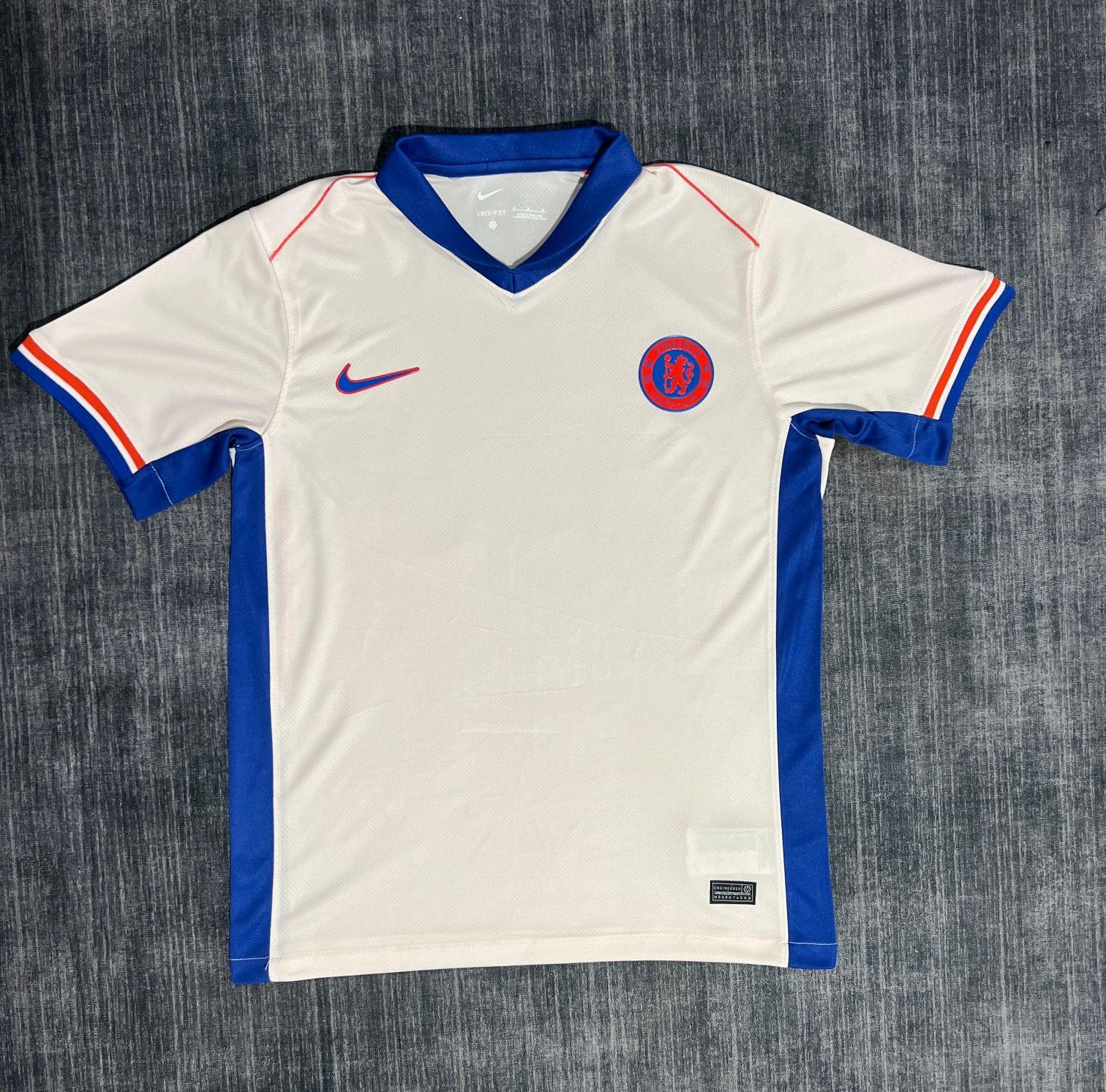
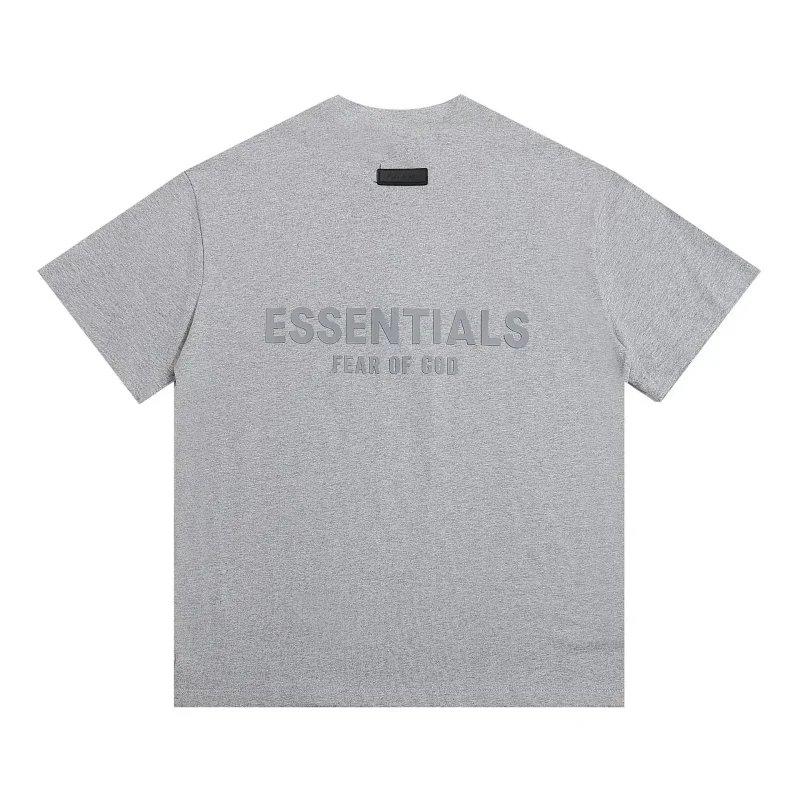
Imagine holding a crisp 100-yuan note—now multiply it by ten. That’s 1,000 yuan, or roughly $140 USD. For most of us, that’s a dinner out or a tank of gas. But in China, 1,000 yuan is a sourcing superpower. It’s the budget that separates curious shoppers from informed entrepreneurs. Whether you’re a Shopify store owner hunting for private-label gadgets, an Amazon FBA seller scouting for trending products, or a dropshipper testing the waters, understanding what can you buy with 1000 yuan in China is the first step to unlocking massive profit margins.
In this guide, I’ll walk you through real-world examples, bulk buying strategies, and insider tips to help you stretch every yuan. We’ll explore categories from electronics to fashion, and even answer the question: “Can 1,000 yuan buy me a successful product launch?” Spoiler alert: Yes, it can—if you know where to look.
Why 1,000 Yuan Is the Sweet Spot for Sourcing
Let’s talk numbers. China’s e-commerce giants—like 1688.com, Taobao, and Pinduoduo—operate on a scale that makes Western wholesale platforms look boutique. A 1,000 yuan budget sits perfectly between “testing the waters” and “committing to inventory.” It’s enough to:
- Buy 50–200 units of a low-cost item (e.g., phone accessories, kitchen tools).
- Sample 10–20 products from different suppliers to compare quality.
- Finance a single high-margin product like a smartwatch or a drone—with room to spare for shipping.
The real magic? Bulk discounts. On platforms like 1688, buying 50 pieces of a popular gadget often cuts the per-unit cost by 40% compared to buying 10. That’s how a 1,000 yuan investment can yield 2x–4x returns when sold on Amazon or Shopify.
What Can You Buy With 1000 Yuan in China? Top Product Categories
1. Electronics & Gadgets: High Perceived Value
China dominates global electronics production, and 1,000 yuan can get you surprising quality. Here’s what to target:
- Wireless earbuds: Look for “TWS” (True Wireless Stereo) models. Factory-direct prices range from 15–50 yuan per pair. With 1,000 yuan, you can buy 20–60 units—perfect for Amazon bundles.
- Bluetooth speakers: Mini speakers (10W–30W) cost 20–100 yuan. Test 10 samples for under 200 yuan, then scale the winner.
- Smartwatches: Basic fitness trackers (step counter, heart rate) cost 30–80 yuan. With 1,000 yuan, you can buy 12–30 units, market them as “budget Fitbit alternatives,” and price at $25–$40 on eBay.
Pro tip: Use the “1688.com” mobile app to filter by “pay on delivery” suppliers. Many offer free samples for first-time buyers—you can stretch 1,000 yuan even further.
2. Fashion Accessories: Low Cost, High Margins
Chinese fashion factories churn out trend-driven items at jaw-dropping prices. For 1,000 yuan consider:
- Phone cases: Transparent silicone cases cost 1–5 yuan each. Buy 200–500 units, design custom prints, and sell for $12–$18 on Shopify.
- Scarves & winter accessories: Cashmere-blend scarves from Yiwu market start at 8–15 yuan. A 1,000 yuan order gets you 66–125 scarves—ideal for seasonal Amazon FBA listings.
- Caps and hats: Snapback caps cost 6–12 yuan. Order 80–160 pieces, and brand them as “streetwear essentials.”
Reality check: “What can you buy with 1000 yuan in China for fashion?” The answer: enough inventory to launch a mini brand. Focus on niche categories (organic cotton socks, vegan leather belts) to avoid Amazon’s saturated markets.
3. Home & Kitchen Tools: The Unsung Heroes
Chinese households are tiny—so space-saving kitchen gadgets are huge in global markets. With 1,000 yuan, you can source:
- Potato slicers/vegetable choppers: 5–20 yuan each. Buy 50–200 units, film a “5-minute hack” video, and sell on TikTok Shop.
- Fridge organizers: Plastic bins cost 2–8 yuan. With 125–500 units, you can create a “kitchen organization” bundle on Amazon.
- Silicone spatula sets: Heat-resistant sets (3–5 pieces) cost 8–15 yuan. Order 66–125 sets, add custom packaging, and hit $9.99 price points.
Data point: A 2023 survey by Jungle Scout found that kitchen gadgets are the #2 fastest-growing category on Amazon, with average margins of 55% for Chinese-sourced items. Your 1,000 yuan could fund a laser-focused launch.
4. Toys & Novelty Items: Viral Potential
From TikTok-famous fidget spinners to collectible figurines, China’s toy factories are fast-paced. Your 1,000 yuan budget can buy:
- Pop-it fidget toys: 2–10 yuan each. Order 100–500 units, or 50+ unique designs—perfect for Etsy or eBay “mystery boxes.”
- RC cars or drones: Mini drones (HD camera, 15-minute flight) cost 50–120 yuan. With 8–20 units, you can test an “entry-level drone” niche.
- Board games or puzzles: Card games or 500-piece puzzles cost 5–20 yuan. Buy 50–200 sets, and position them as “family fun night” essentials.
Insider tip: When asking “what can you buy with 1000 yuan in China for toys,” prioritize items under 50 grams to keep shipping costs low. Use China Post’s ePacket service for $3–$5 per package.
How to Maximize Your 1,000 Yuan: 5 Smart Strategies
Strategy 1: Go for Bundles, Not Singles
Instead of buying 10 units of a $100 product, buy 200 units of a $5 product. Bundling lets you test market demand with less risk. Example: Buy 100 “anti-slip yoga socks” (2 yuan each) and bundle them with a “free e-book” on Amazon—your cost: $28 USD, potential profit: $400+.
Strategy 2: Use Alibaba’s Negotiation Power
On Alibaba.com, contact 5–10 suppliers and ask: “I have a 1,000 yuan budget for a sample order. Can you offer a discount on 50 units?” Many suppliers will drop prices 10–30% to secure a new buyer. Remember: Chinese suppliers love “sample orders” that lead to bulk.
Strategy 3: Ignore Brand Names, Focus on Function
Don’t buy branded iPhones or designer handbags—they’re counterfeits and illegal to sell. Instead, buy no-name products with high utility: LED desk lamps, portable fans, or vacuum sealers. They cost 10–30 yuan and sell for $20–$50 on marketplaces.
Strategy 4: Leverage “Mystery Boxes” for Clearance
Many Chinese suppliers sell “mystery boxes” of overstock or returned items. For 500–800 yuan, you might get 50–100 random products (e.g., phone chargers, keychains, earrings). These are goldmines for Shopify “lucky bags” or