Related Recommendations
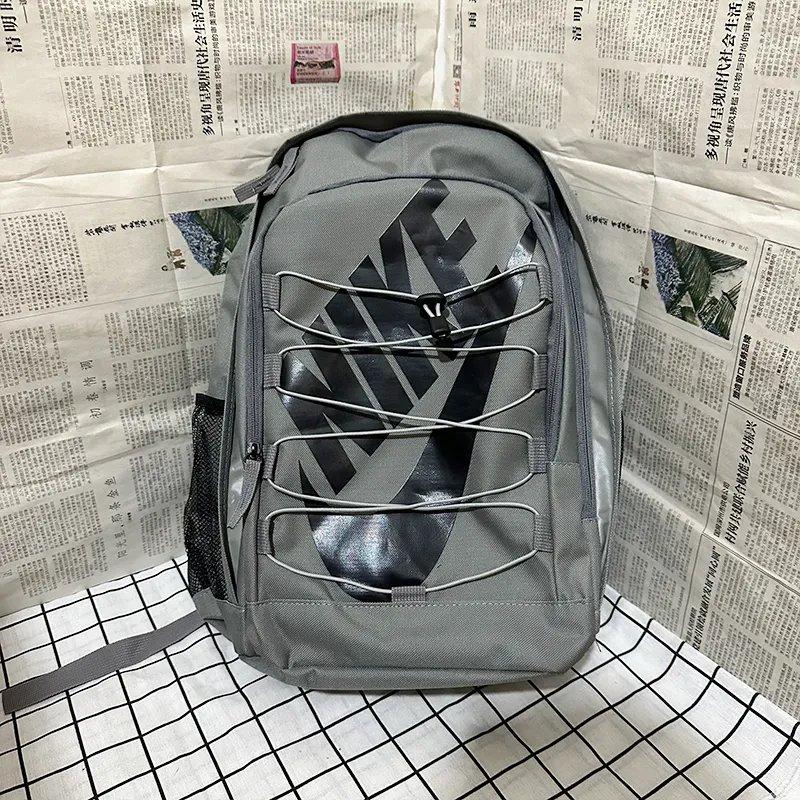

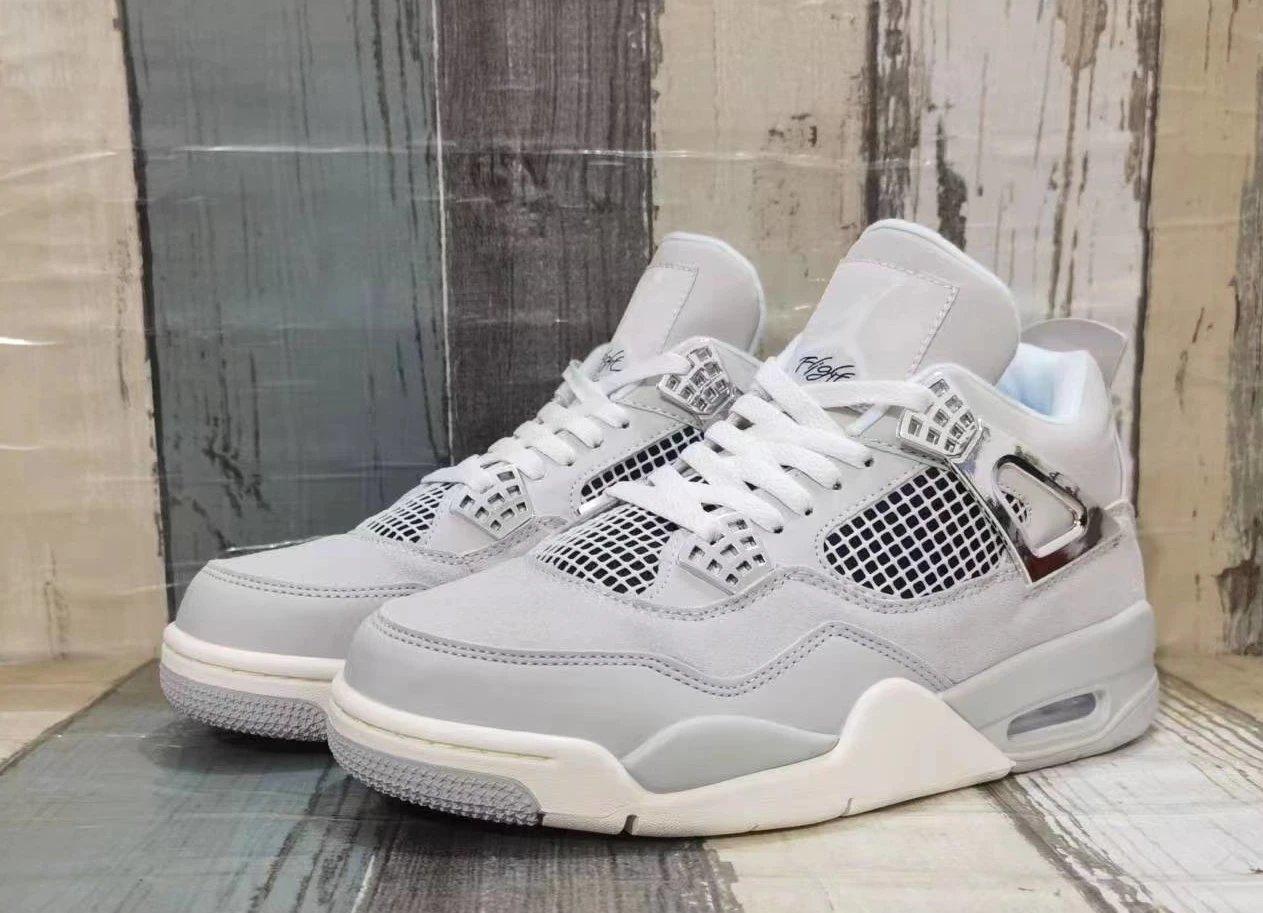
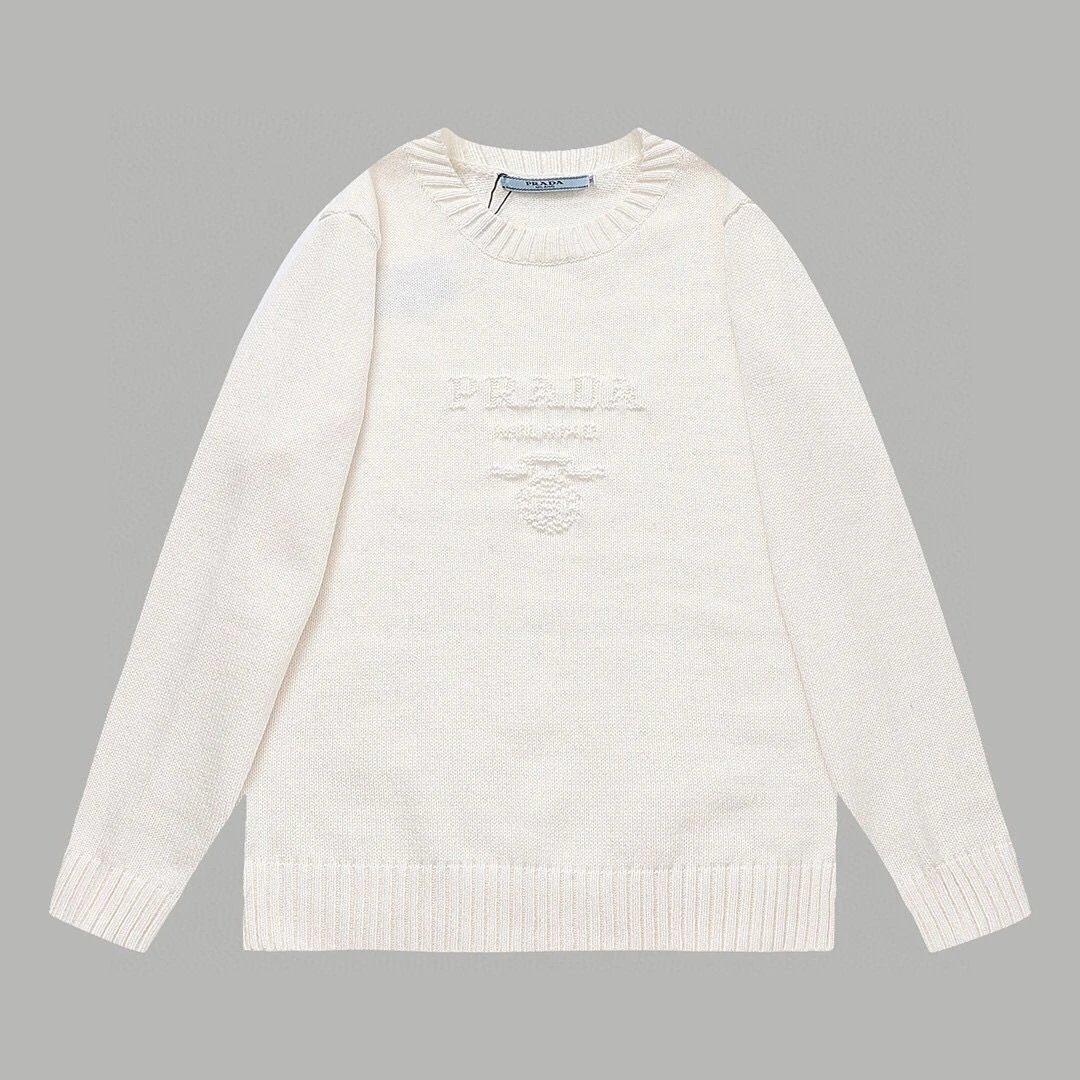


When people ask, “Is it safe to buy stuff from China?”, the answer is nuanced. China is the world’s largest manufacturer and exporter, offering affordable products across countless categories. While millions safely purchase items daily, risks like poor quality, scams, or shipping delays exist. With proper precautions, buying from China can be safe and cost-effective. This guide explores the key factors to help you decide confidently.
What Makes Buying from China So Popular?
China dominates global e-commerce due to its vast manufacturing base. Buyers are drawn to low prices, wide variety, and fast production cycles. Everyday items like electronics, clothing, and home goods are often cheaper than local alternatives. For instance, a gadget costing $50 domestically might be available for $10 from a Chinese supplier, including shipping.
The appeal lies in accessibility. Platforms connect buyers directly to factories, cutting out middlemen. This model fuels trends like dropshipping and bulk purchasing. However, popularity doesn’t equate to safety, prompting the core question: is it safe to buy stuff from China?
What Are the Primary Risks When Buying from China?
Safety concerns fall into several categories. First, product quality varies widely. Some items meet international standards, but others may use subpar materials or lack durability testing. Electronics might overheat, clothing could fade quickly, or toys might contain unsafe chemicals.
Scams are another issue. Fraudulent sellers may take payment without delivering, or send incorrect items. Counterfeit goods mimic brands but fail in performance or safety. Shipping risks include damage, loss, or delays spanning weeks. Finally, customs complications can lead to unexpected fees or seizures.
Despite these, data from consumer protection agencies shows most transactions succeed when buyers are cautious.
How Can You Verify Seller Reliability?
Start with seller ratings and reviews. Look for consistent positive feedback over hundreds of sales. Check response times and communication quality. High-volume sellers with years of activity are generally more trustworthy.
Examine product listings closely. Detailed photos, specifications, and videos signal legitimacy. Avoid deals that seem unrealistically cheap, as they often indicate fakes or low quality. Use buyer protection features on platforms, which allow refunds for non-delivery or misrepresentation.
Third-party verification tools or certificates can add assurance, but always cross-check independently.
What Payment Methods Are Safest for Purchases?
Secure payments minimize financial risk. Credit cards offer chargeback protections if issues arise. Digital wallets provide similar safeguards with easy disputes. Avoid wire transfers or direct bank sends, as they lack recourse.
Many platforms hold funds until delivery confirmation, acting as escrow. This buyer protection is crucial when wondering, “Is it safe to buy stuff from China?” Opt for tracked shipping to monitor packages and insure high-value items against loss or damage.
Does Product Quality from China Meet Safety Standards?
Quality isn’t uniform. China produces both premium exports for global brands and budget options. Regulations like China’s GB standards aim to ensure safety, but enforcement varies by factory. International certifications such as CE, RoHS, or UL indicate compliance with Western norms.
Test small orders first. For example, buy one unit of clothing to check fabric and stitching before bulk buys. Electronics should have clear safety markings. Reputable suppliers often provide lab test reports upon request.
Consumer reports highlight that while some products underperform, many exceed expectations at the price point.
What About Shipping, Customs, and Legal Issues?
Shipping from China typically takes 2-6 weeks via standard methods. Air freight is faster but costlier. Track numbers are essential for accountability. Customs duties apply based on your country’s rules—often 0-20% on values over a threshold, like $800 in some places.
Declare items accurately to avoid penalties. Restricted goods, such as certain foods, batteries, or replicas, may be confiscated. Research import laws beforehand. Legal recourse for disputes is limited internationally, so prevention trumps cure.
Are There Common Misconceptions About Chinese Products?
A major myth is that all Chinese goods are inferior. In reality, China manufactures high-end products for luxury brands worldwide. Another misconception: cheap equals unsafe. Many affordable items pass rigorous testing.
People also overestimate scam prevalence. While real, it’s a small percentage of transactions. Finally, assuming all sellers are factories—many are resellers, affecting reliability. Dispelling these helps answer “is it safe to buy stuff from China?” more accurately.
What Precautions Should Beginners Take?
For first-timers, start small. Purchase low-value, non-essential items to test the process. Research platforms’ policies thoroughly. Join online communities for shared experiences, noting patterns in complaints.
Use tools like image reverse searches to spot stock photos hiding fakes. Communicate in English or via translation, clarifying expectations. Budget for potential returns or extras like duties.
Conclusion
Ultimately, is it safe to buy stuff from China? Yes, for most people who follow best practices. Weigh savings against risks, prioritize verified sellers, and secure payments. Stay informed on regulations, and you’ll navigate purchases effectively. With diligence, the benefits often outweigh the drawbacks.
People Also Ask
Is it safe to buy electronics from China?
Electronics can be safe if certified and from rated sellers. Check for overheating risks and use buyer protection. Test upon arrival.
How do I avoid customs fees when buying from China?
Keep orders under duty thresholds, declare honestly, and split large purchases. Fees vary by country and item value.
What if my order from China doesn’t arrive?
Contact the seller first, then file a dispute via platform protection. Refunds are common within policy timelines, typically 60-90 days.