Related Recommendations



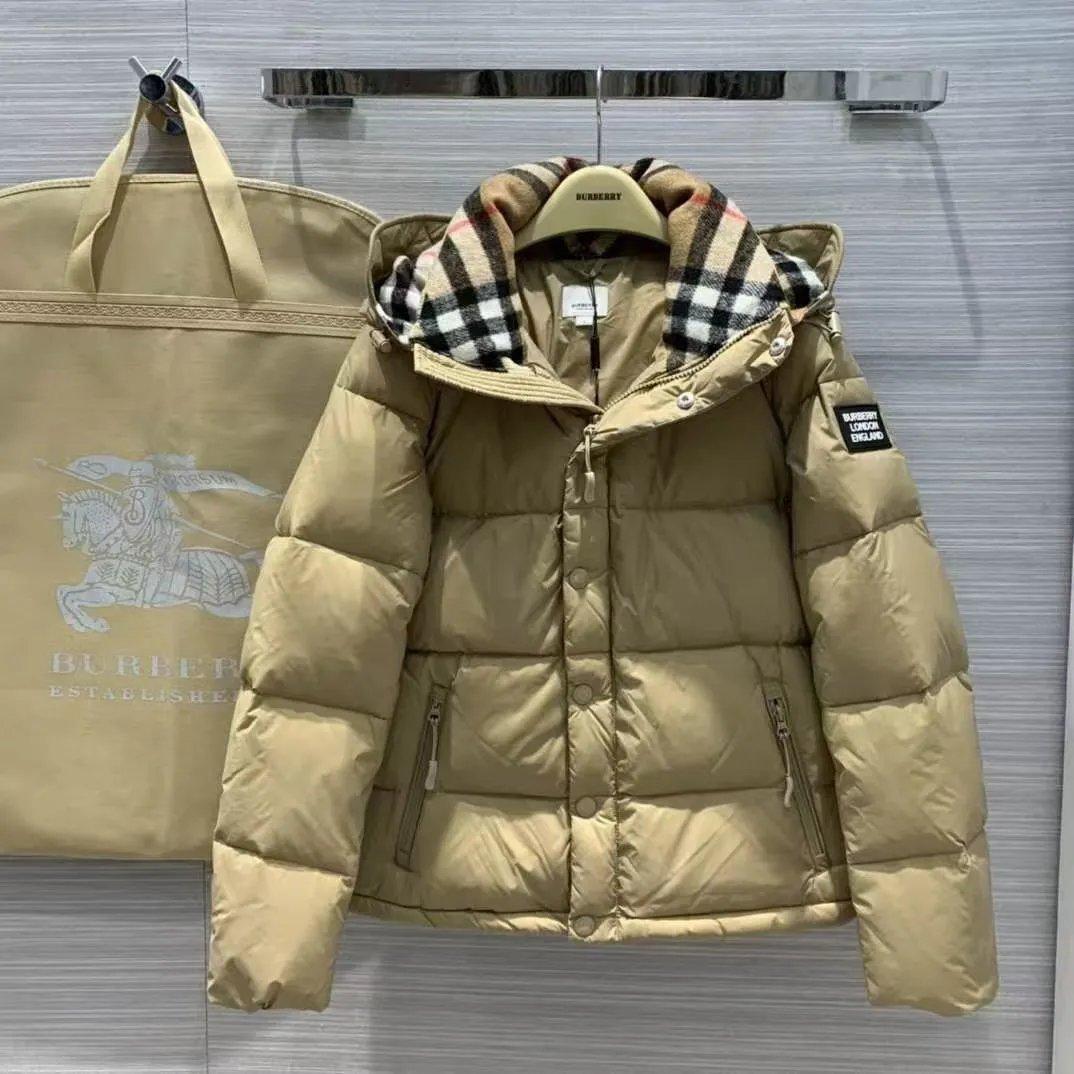
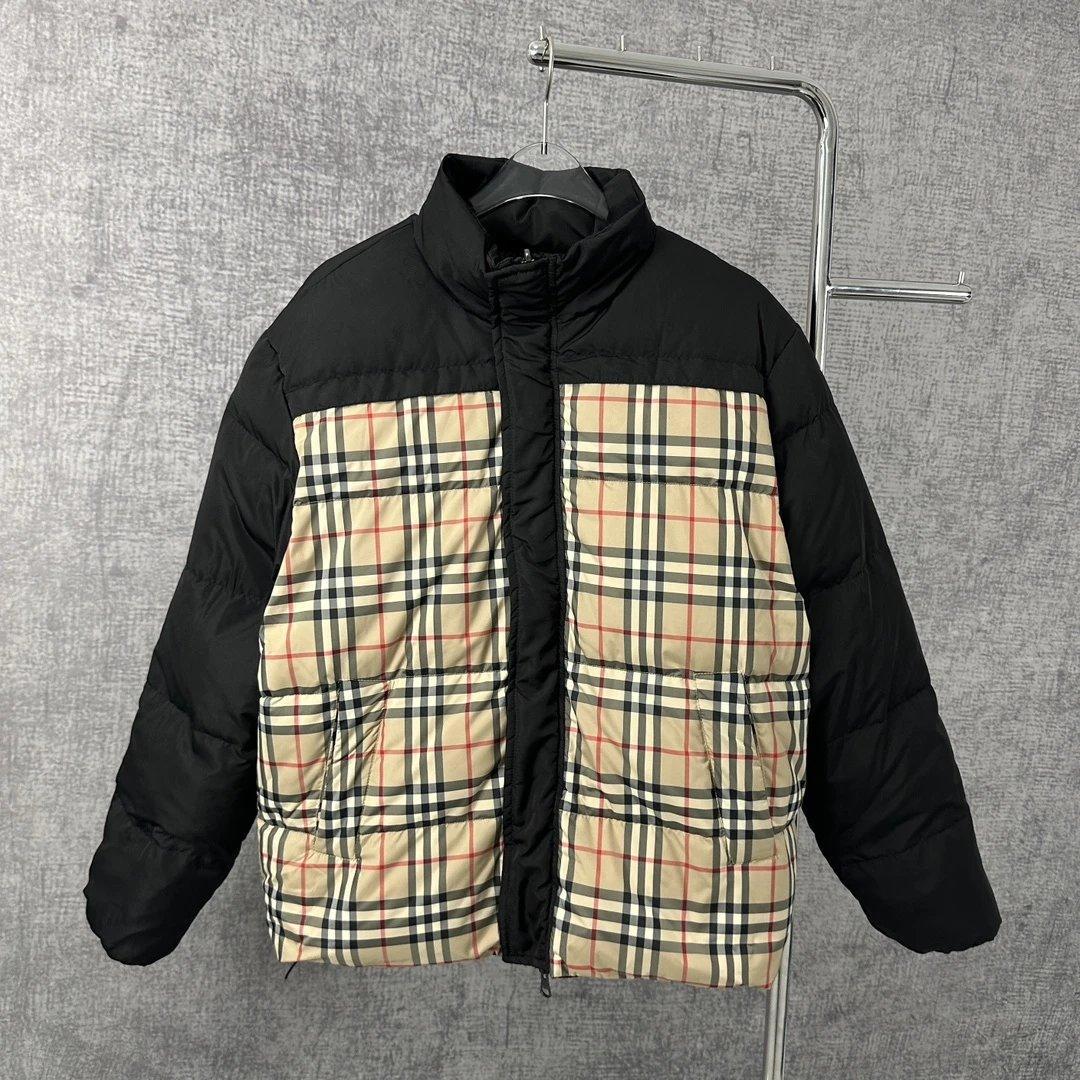
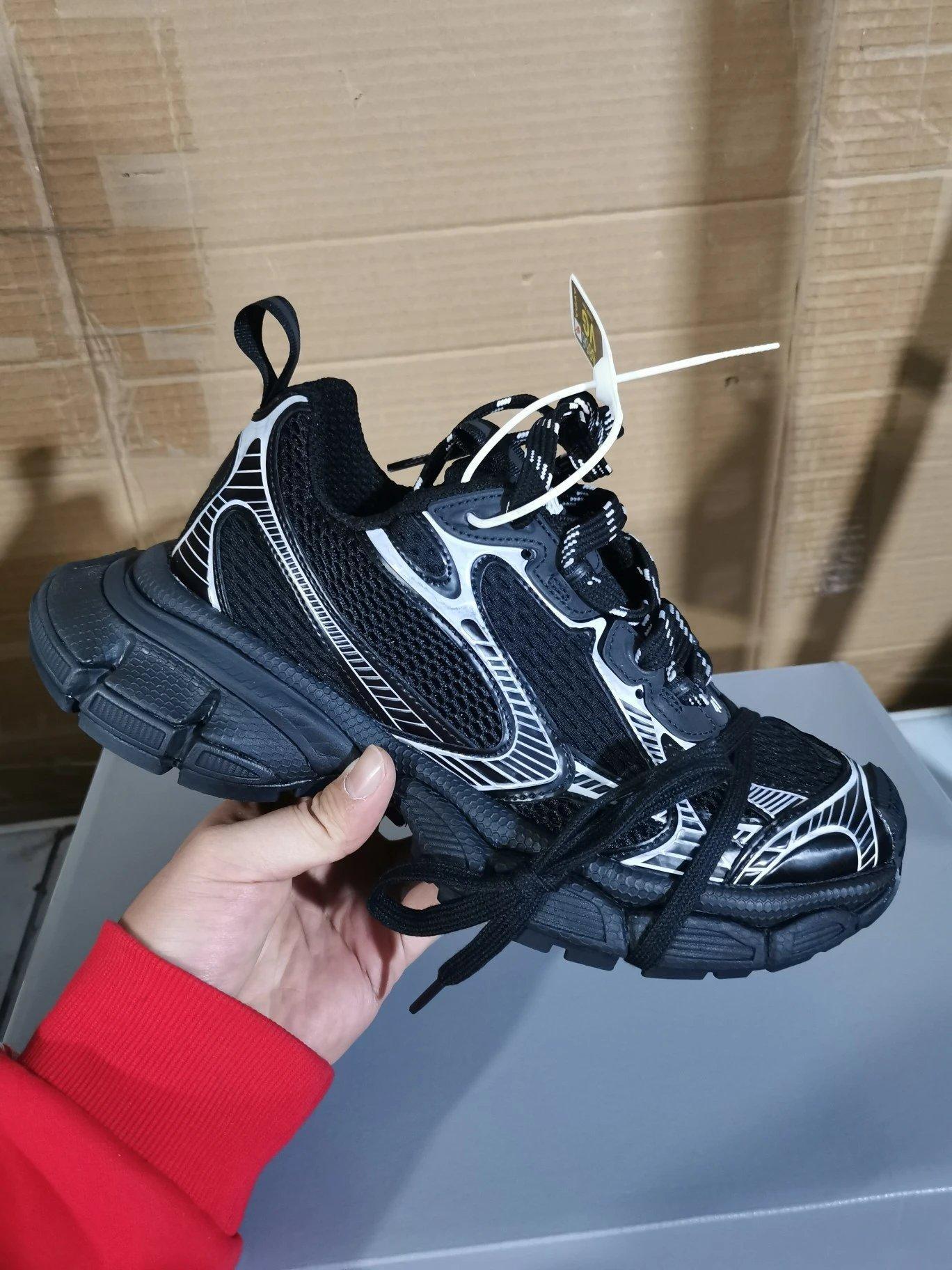
In a globalized economy, many consumers wonder, is it illegal to buy from China? The short answer is no—purchasing goods from China is perfectly legal for most personal and commercial uses. However, legal boundaries depend on the type of goods, quantity, destination country, and compliance with import regulations. This article breaks down the key factors to help you navigate imports safely and avoid common pitfalls.
What Makes Buying from China Legal or Illegal?
The legality of buying from China hinges on international trade laws, customs regulations, and product-specific restrictions. For individuals importing small quantities for personal use, such as clothing or electronics, it is generally legal across major markets like the United States, European Union, and Canada. Governments encourage legitimate trade but enforce rules against prohibited items like certain weapons, endangered species products, or hazardous materials.
Commercial importers face additional scrutiny, including tariffs and licensing requirements. Failing to declare goods accurately can lead to seizures or fines, but the act of buying itself is not illegal. Always check your country’s customs authority for updates, as trade policies evolve.
Is It Illegal to Buy from China for Personal Use?
For personal purchases under certain value thresholds, is it illegal to buy from China? Typically, no. In the US, for example, items valued under $800 per shipment often qualify for duty-free entry under the de minimis rule. Similar exemptions exist in the EU (up to €150) and UK (£135). These allow hobbyists and shoppers to receive packages without heavy taxes.
However, repeated small shipments might trigger commercial classification if patterns suggest resale. Use reputable shipping methods and declare honestly to stay compliant. Simple examples include buying a phone case or toys—legal and routine for millions annually.
What Products from China Face Import Bans?
Not all goods are equal when asking is it illegal to buy from China. Prohibited categories include counterfeits infringing trademarks, controlled substances, ivory or other CITES-listed wildlife products, and items violating safety standards like certain toys with lead paint. Electronics must meet FCC or CE certifications in respective markets.
Even legal items can become illegal if mislabeled. For instance, importing prescription drugs without approval is restricted. Research your destination’s banned lists beforehand—customs websites provide searchable databases. Ignorance isn’t a defense, but most consumer goods sail through without issue.
Do Tariffs and Duties Make Buying from China Illegal?
Tariffs are taxes on imports, not prohibitions. Recent US-China trade tensions imposed extra duties on many goods, but paying them keeps purchases legal. Calculate duties using harmonized tariff codes; rates vary from 0% to over 25% depending on the product.
Sellers often handle shipping and basic declarations, but buyers remain responsible. Undeclared high-value items risk penalties, yet this doesn’t make the purchase illegal—only non-compliance does. Tools like duty calculators simplify estimates for popular categories like apparel or gadgets.
What Are the Risks of Counterfeit or Unsafe Goods from China?
While is it illegal to buy from China for legitimate products is a non-issue, counterfeits pose legal risks. Importing known fakes can lead to customs seizures and potential civil lawsuits from brand owners. Safety hazards, like faulty batteries, violate consumer protection laws.
Mitigate by choosing verified sellers, reading reviews, and verifying certifications. Intellectual property laws apply globally—buyers aren’t usually prosecuted, but shipments can be destroyed. Education on spotting fakes empowers safer shopping.
How Can You Comply When Buying from China?
Compliance ensures your imports arrive smoothly. Track shipments, retain invoices, and respond to customs queries promptly. For larger volumes, consider a customs broker. Understand rules of origin to claim preferential tariffs under trade agreements.
Examples: A hobbyist importing hobby parts declares value accurately; a reseller registers as an importer. Staying informed prevents delays and costs, turning potential worries into straightforward transactions.
In summary, is it illegal to buy from China? Not for most everyday goods, provided you follow import rules, pay duties, and avoid restricted items. Trade is a cornerstone of modern commerce—knowledge of regulations empowers confident purchasing. Consult official customs resources for your specific situation.
People Also Ask
Can I get in trouble for buying cheap electronics from China?
No, as long as they meet safety standards and you declare them properly. Issues arise only with counterfeits or undeclared high values.
What happens if customs seizes my package from China?
You’ll receive a notice explaining reasons, like duties owed or prohibitions. Pay fees to release or abandon it—fines are rare for first-time personal imports.
Is it cheaper to buy from China despite tariffs?
Often yes, due to low manufacturing costs offsetting duties. Compare total landed costs including shipping and taxes for best value.