Related Recommendations
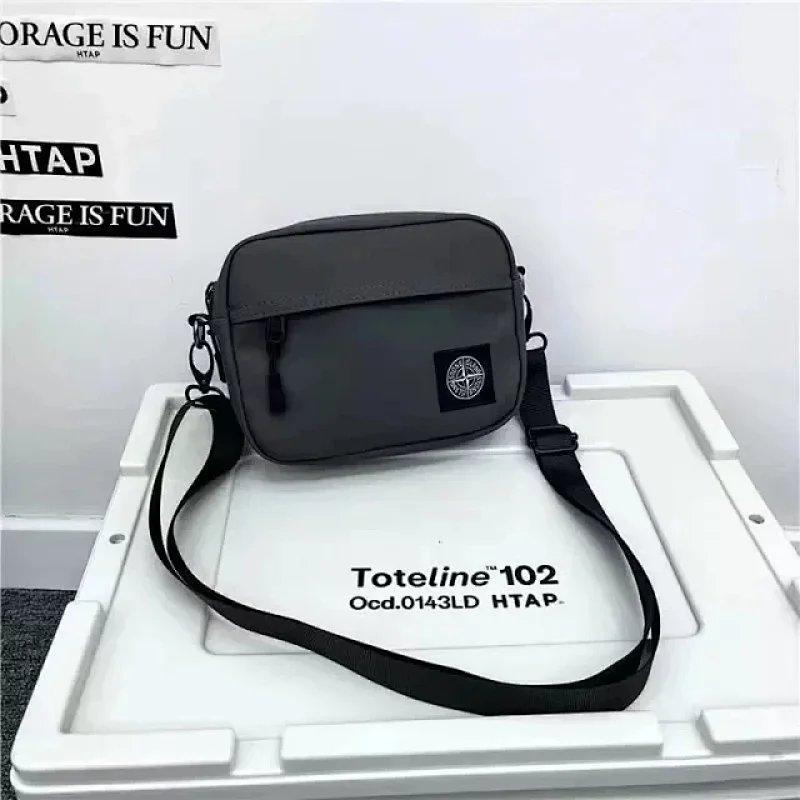
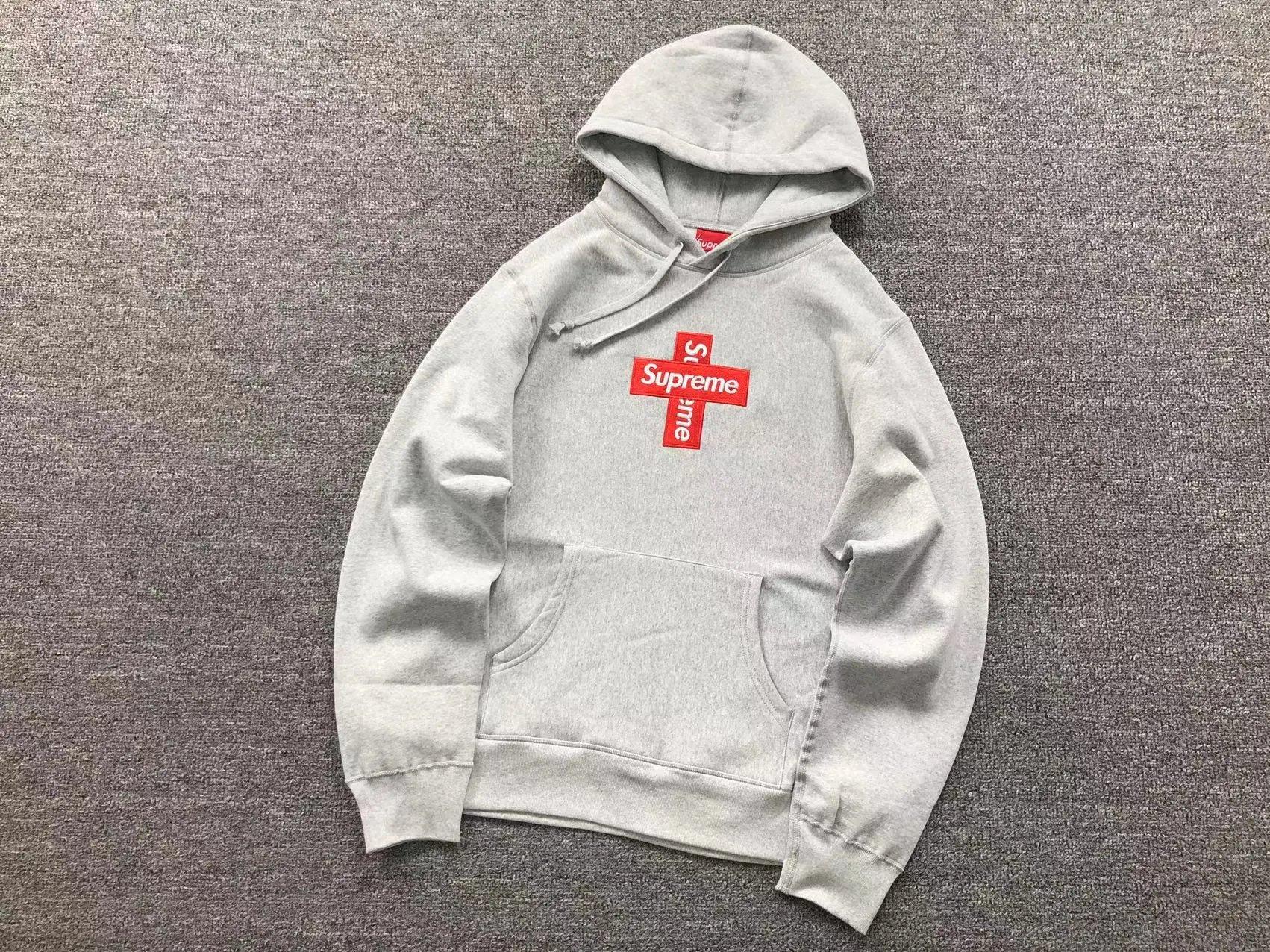
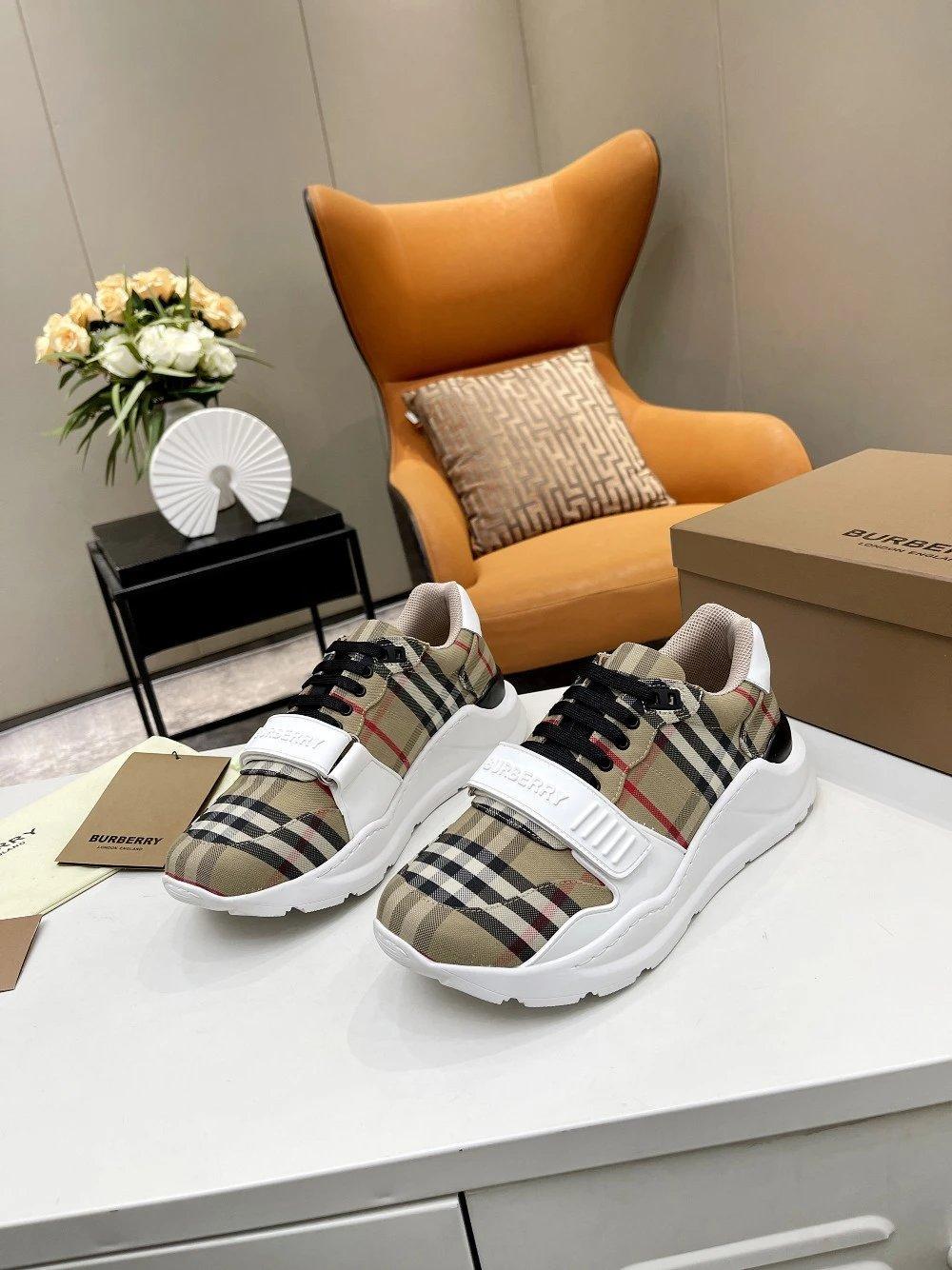
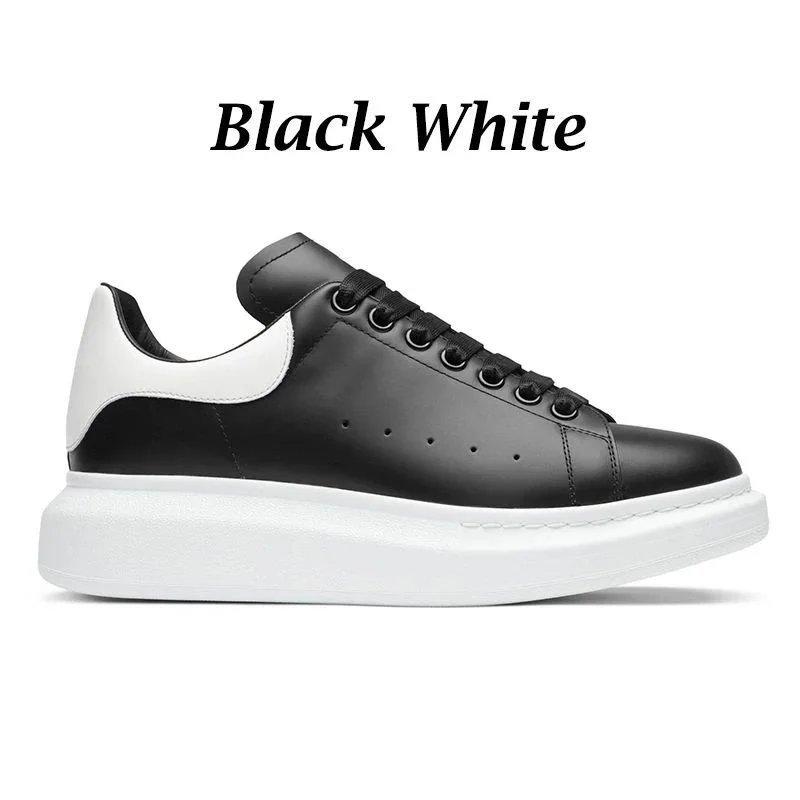
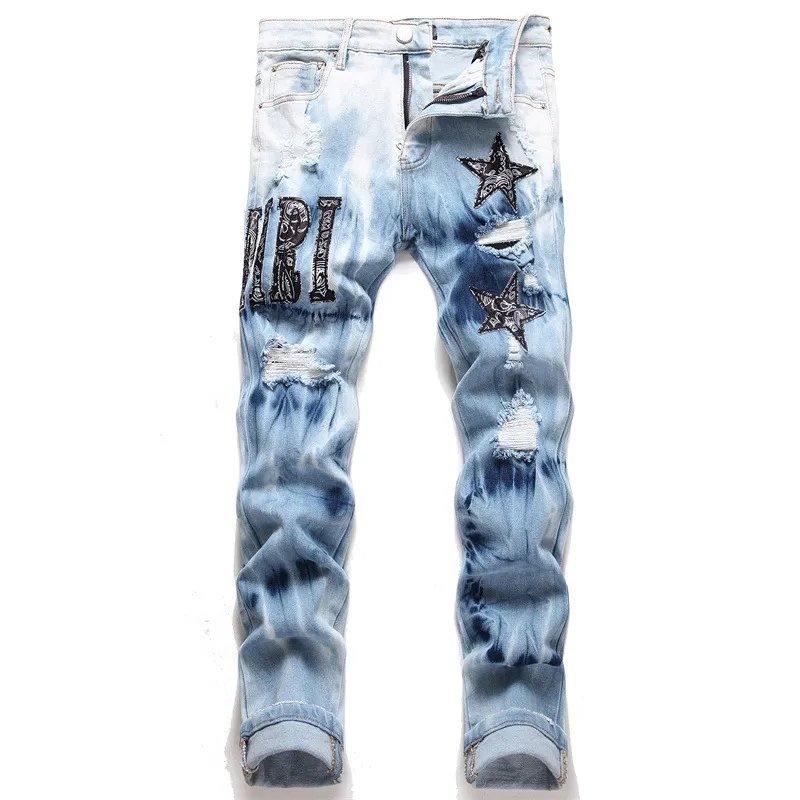
Many shoppers wonder, is it safe to buy clothes from China? With the rise of global e-commerce, China has become a major source for affordable apparel. While millions purchase clothing from Chinese sellers without issues, concerns about quality, safety, and reliability persist. This article explores the facts, risks, benefits, and strategies to make informed decisions, helping you determine if it’s safe for your needs.
What Makes People Question the Safety of Buying Clothes from China?
The hesitation often stems from reports of inconsistent quality, shipping delays, and occasional scams. China’s vast manufacturing base produces everything from high-end fashion to budget items, but oversight varies. Low-cost platforms amplify visibility of negative experiences, like ill-fitting garments or poor materials. However, established supply chains ensure that reputable sellers deliver safe products daily.
Geopolitical factors and media stories about labor practices or environmental standards also fuel doubts. Yet, international regulations and buyer protections mitigate many risks. Understanding these dynamics is key to answering is it safe to buy clothes from China.
Are There Quality Concerns with Clothes from China?
Quality can range from excellent to subpar. Factories produce for global brands, so premium items exist alongside cheap fast fashion. Common issues include shrinking fabrics, fading colors, or weak seams due to cost-cutting materials like thin polyester blends.
To gauge quality, review seller feedback focusing on photos from verified buyers. Measurements often differ from Western standards—Chinese sizing runs smaller—so check size charts carefully. Pre-washed or tested fabrics reduce surprises, but variability is inherent in mass production.
What Health and Safety Risks Should You Consider?
Health concerns primarily involve chemical treatments. Some dyes or finishes may contain harmful substances like azo compounds or formaldehyde, potentially causing skin irritation or allergies. While Chinese regulations have tightened since 2000s reforms, enforcement isn’t uniform across all producers.
Flammability is another factor; untreated synthetics can melt rather than burn safely. For children’s clothing, opt for items certified under international standards like OEKO-TEX, which test for over 100 harmful substances. Washing new clothes before wearing removes residues in most cases. Overall, risks are low for everyday adult wear from vetted sellers.
How Common Are Scams When Buying Clothes from China?
Scams exist but are not the norm. Red flags include unrealistically low prices, stock photos without real images, or sellers dodging questions. Non-delivery or wrong items occur rarely with protected platforms offering refunds.
Buyer protection policies cover most transactions, allowing disputes within 30-60 days. Use secure payment methods that hold funds until receipt. High-volume sellers with years of history and positive ratings (above 95%) minimize scam risks significantly.
What Are the Advantages of Buying Clothes from China?
Despite concerns, benefits abound. Prices are 30-70% lower than domestic options due to economies of scale. Variety is unmatched—trends from runway copies to custom designs arrive quickly via air shipping.
Customization options, like altering patterns or fabrics, cater to unique needs. Fast production turns designs around in weeks. Environmentally, consolidated shipping from hubs reduces per-item carbon footprints compared to local small-batch making.
How Can You Shop Safely for Clothes from China?
Start with research: Choose sellers with high ratings, detailed listings, and return policies. Read recent reviews for fit and material feedback. Order samples for expensive buys.
Understand customs: Duties apply over certain values, and sizes may need conversion (e.g., China XL ≈ US M). Track shipments and insure valuables. For safety, prioritize natural fibers like cotton over untested synthetics.
- Verify seller responsiveness before purchase.
- Avoid deals too good to be true.
- Wash items upon arrival.
- Keep records for disputes.
What Are Common Misconceptions About Buying Clothes from China?
A myth is that all Chinese clothes are unsafe or fake. In reality, counterfeits target luxury brands, not basics. Another is inevitable poor quality—many items match mid-range retail standards.
People assume no recourse, but global platforms enforce standards rigorously. Delays are often customs-related, not seller fault. Dispelling these helps confidently address is it safe to buy clothes from China.
Is It Worth the Risks for Budget Shoppers?
For cost-conscious buyers, yes—with precautions. Savings outweigh minor hassles for non-critical items like t-shirts or loungewear. Luxury seekers may prefer local options for consistency.
Trends show increasing satisfaction rates as platforms improve quality controls. Is it safe to buy clothes from China? Generally, yes, if you shop smartly.
Conclusion
Buying clothes from China is safe for most when using reputable channels and following best practices. Weigh quality needs against savings, prioritize verified sellers, and stay informed on standards. This approach turns potential risks into reliable access to affordable, diverse fashion.
People Also Ask
Are clothes from China made with toxic materials?
Most are not, but low-end items may use questionable dyes. Choose certified products and wash before use to minimize exposure.
How long does it take to receive clothes from China?
Typically 7-30 days via standard shipping; express options deliver in 3-10 days, depending on location and customs.
Can you return clothes bought from China?
Many sellers offer returns or refunds through platform policies, though shipping costs may apply. Check terms upfront.