Related Recommendations


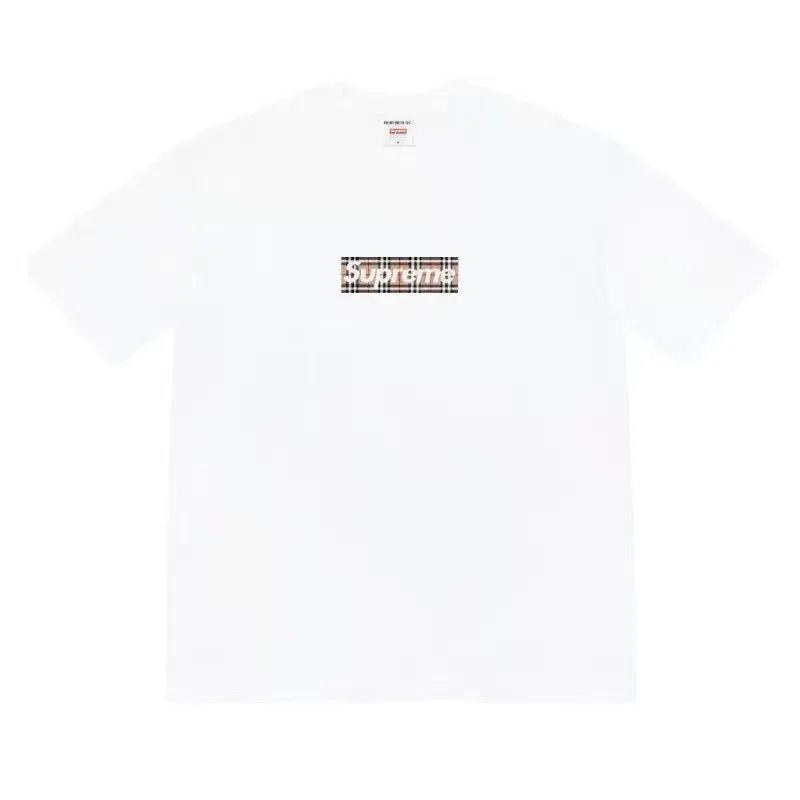
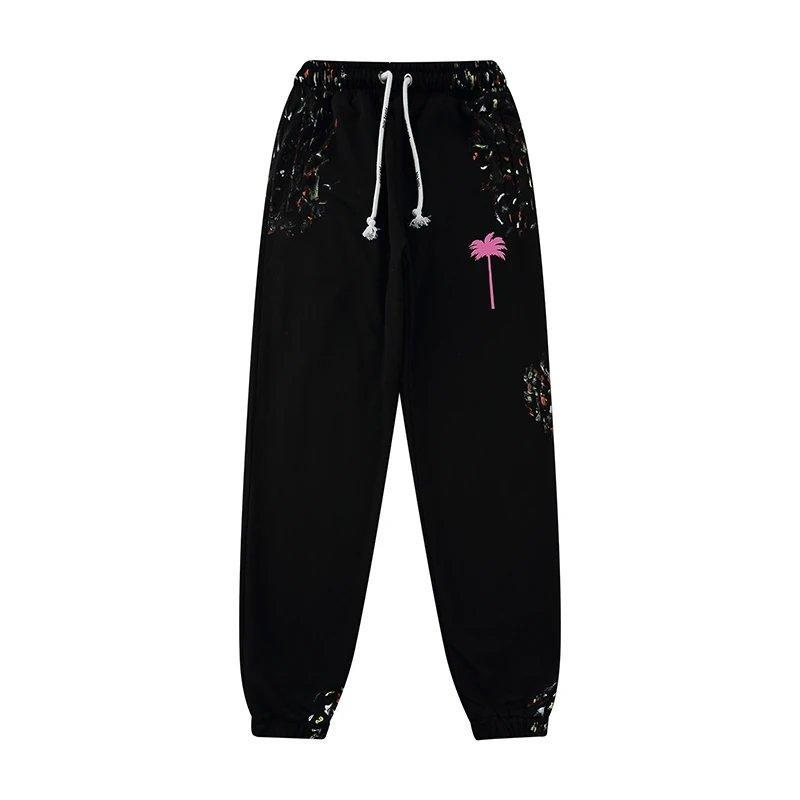

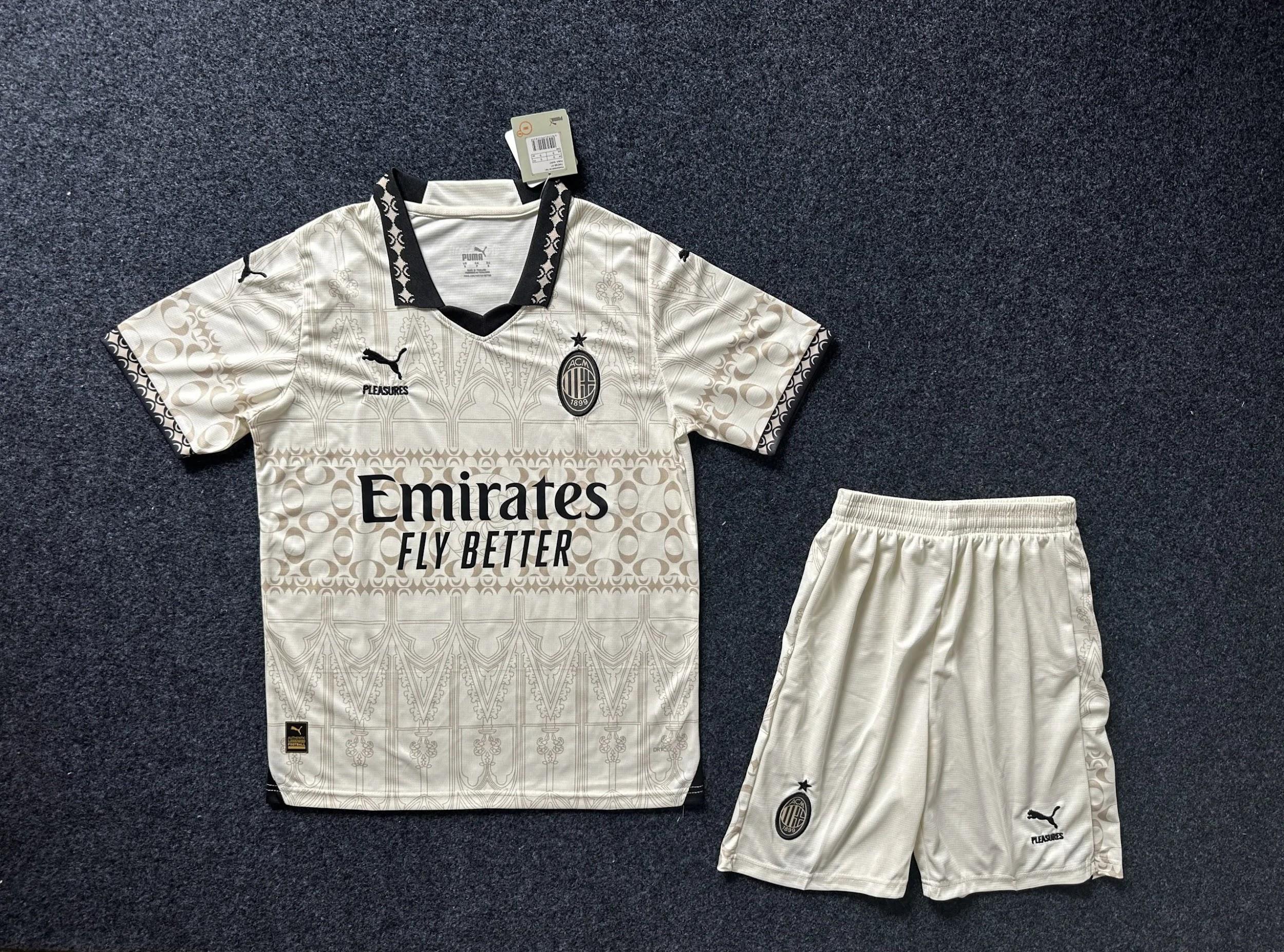
Many shoppers wonder is it illegal to buy knockoffs from China, especially when seeking affordable alternatives to high-end products. Knockoffs, often counterfeit versions of branded items, are widely available from international sellers. This article explores the legal implications, focusing on key regulations, risks, and practical considerations for buyers in the United States and similar jurisdictions.
What Exactly Are Knockoffs?
Knockoffs refer to imitation products that closely mimic the design, packaging, or branding of genuine items without authorization. These are typically counterfeit goods infringing on trademarks, copyrights, or patents. While some imitations are legal “dupes” that avoid protected elements, true knockoffs from China often replicate logos and trademarks directly, crossing into illegal territory.
Is It Illegal to Buy Knockoffs from China?
Yes, it is illegal to buy knockoffs from China if they infringe on intellectual property rights. In the US, federal law prohibits importing counterfeit goods under the Lanham Act and Tariff Act of 1930. US Customs and Border Protection (CBP) actively enforces this, treating personal imports the same as commercial ones. Even small quantities for personal use can lead to seizure and potential fines.
What Laws Govern Importing Counterfeits?
Key US laws include 18 U.S.C. § 2320, which criminalizes trafficking in counterfeit goods, and 19 U.S.C. § 1526, banning imports that violate trademarks. Internationally, the Agreement on Trade-Related Aspects of Intellectual Property Rights (TRIPS) requires member countries, including China, to combat counterfeits. However, enforcement varies; China produces many counterfeits but has ramped up domestic crackdowns. Buyers importing to the US still face liability upon entry.
Can You Get in Trouble for Personal Use?
Absolutely. CBP seizes millions in counterfeit shipments annually. If caught, packages are confiscated without refund, and repeat offenders risk civil penalties up to $250,000 or criminal charges for larger volumes. While first-time personal buyers rarely face prosecution, the risk grows with frequency. Sellers in China may face their own issues, but the importer bears primary responsibility.
What Happens If Your Knockoff Package Is Seized?
CBP notifies you via mail if they detain a package. You have 30 days to respond, often by abandoning it or proving authenticity. Most choose abandonment to avoid escalation. No criminal record typically results from a single small seizure, but patterns can trigger investigations. Examples include fake handbags or electronics mimicking popular designs.
Are There Legal Alternatives to Knockoffs?
Seek “inspired by” products that avoid trademarks. Legitimate wholesalers offer generic items without infringing logos. Research sellers’ reputations and use tools like CBP’s intellectual property rights database to check restrictions. Buying domestically reduces import risks, though domestic counterfeits are also illegal.
Common Misconceptions About Buying Knockoffs
A frequent myth is that personal use exempts you from laws—is it illegal to buy knockoffs from China only for resale? No, importation itself violates statutes. Another is assuming low-value items slip through; CBP uses advanced screening. Quality doesn’t matter; infringement is the issue.
In summary, while tempting, buying knockoffs from China carries clear legal risks due to strict import rules. Prioritizing authentic or non-infringing goods ensures compliance and peace of mind. Always verify product origins before purchasing.
People Also Ask
Will I go to jail for buying one knockoff bag from China?
Unlikely for a single item, but seizure and fines are possible. Criminal charges are rare without intent to resell.
Is it illegal to buy knockoffs from China and resell them?
Yes, this constitutes trafficking, with severe penalties including imprisonment.
Do all cheap products from China count as knockoffs?
No, only those infringing trademarks. Genuine generics are legal.